



Trends in the EU Textile Market in 2026
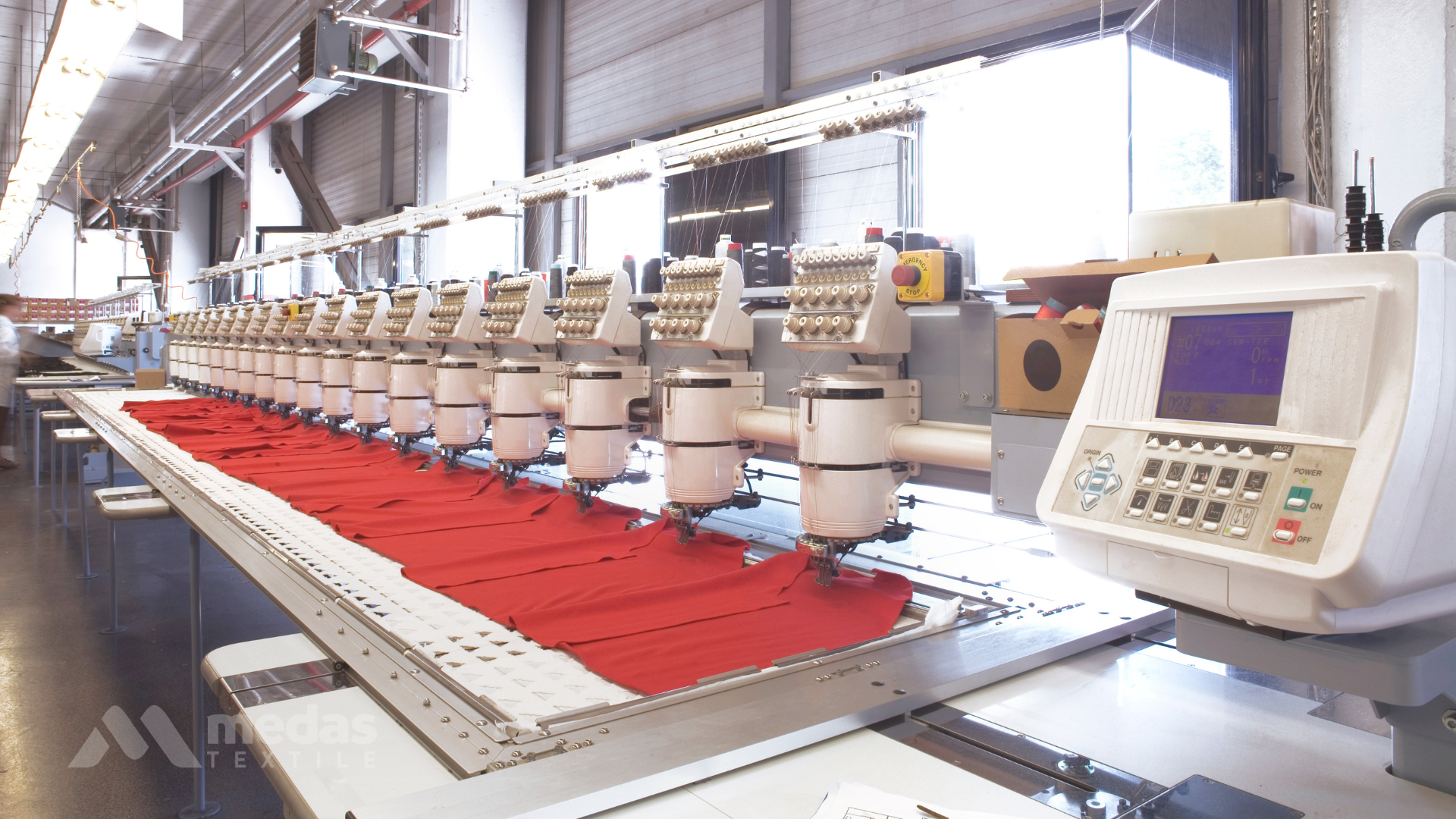
Textile market trends in 2026 mark one of the most groundbreaking moments for the European textile industry in decades. This is not simply a seasonal shift in tastes or a temporary fashion movement, but a deep structural transformation affecting legal regulations, business models, technologies, materials, aesthetics, and consumer behavior.
The year 2026 becomes the point at which previous practices — overproduction, low transparency, and short product life cycles — cease to be acceptable not only from an image perspective, but above all from a legal and economic standpoint. At the same time, new opportunities emerge for brands capable of combining quality, durability, aesthetics, and environmental responsibility into a coherent and credible operating model.
Below is a detailed, multidimensional analysis of how EU textile market trends in 2026 will reshape the way textiles are designed, produced, sold, and used.
Table of Contents
- Why is 2026 a breakthrough year?
- EU regulations as the main driver of change
- Ban on destroying unsold clothing and footwear
- Digital product passport and data transparency
- Extended producer responsibility and waste management
- EU textile market trends in 2026 and the dynamic growth of re-commerce and the secondary market
- Textile market trends in 2026: analysis
- EU textile market trends in 2026 and the impact of changes on SMEs and manufacturers in Poland
- EU textile market trends in 2026 and the specifics of the PPE and protective clothing sector
- Textile market trends in 2026 – overview of key changes up to 2030
- FAQ – frequently asked questions about textile market trends in 2026
Why Is 2026 a Breakthrough Year?
The year 2026 represents the meeting point between strategy and practice. Previous years were dominated by announcements, consultations, pilot programs, and testing. From 2026 onward, many EU regulations begin to apply in practice to the largest market participants, putting pressure on smaller entities operating within the same supply chains.
The EU textile industry is a sector with a significant environmental impact, but also one of enormous social and economic importance. It employs around 1.5 million people, the vast majority of whom work in small and medium-sized enterprises. This is why the transformation must be not only ambitious, but also proportionate and predictable. Textile market trends in 2026 therefore stem from an attempt to reconcile environmental protection with business realities.
EU Regulations as the Main Driver of Change
The strongest factor shaping EU textile market trends in 2026 is regulation. The EU Strategy for Sustainable and Circular Textiles, along with related legal acts, is redefining the entire product life cycle — from design and use to post-consumer management.
Particularly important are:
- the ESPR regulation on ecodesign,
- information and reporting obligations,
- regulations concerning microplastics and chemicals,
- preparations for the full implementation of extended producer responsibility.
What is new is not the idea of regulation itself, but its comprehensiveness. The law covers the entire value chain and forces cooperation between designers, technologists, material suppliers, logistics, sales, and marketing teams. This means that textile market trends in 2026 cannot be treated as the responsibility of a single department — it is a systemic transformation.
Ban on Destroying Unsold Clothing and Footwear
One of the most groundbreaking elements of the new regulations is the ban on destroying unsold clothing and footwear. For years, this practice was economically justified — storage or distribution costs were sometimes higher than the potential revenue from clearance sales.
From 2026 onward, this approach will no longer be possible for large enterprises. Companies will be required not only to stop destroying excess inventory, but also to report the scale of the problem and how products are managed.
In practice, this means:
- the need for more accurate production planning,
- reducing the excessive number of collections and variants,
- developing alternative channels such as outlets, off-season sales, donations, and re-commerce.
This element strongly influences textile market trends in 2026 because it changes the profitability logic of the entire fast fashion model.
Digital Product Passport and Data Transparency
The Digital Product Passport is one of the most technologically advanced trends entering the practical implementation phase in 2026. Its purpose is to provide complete, verifiable information about a product — from material composition and raw material origin to repairability and recycling options.
For consumers, this means easier access to reliable information. For companies, it means the need to organize product data and internal processes. The Digital Product Passport significantly limits greenwashing and forces brands to communicate with greater precision.
In the context of EU textile market trends in 2026, the DPP becomes not only a regulatory tool, but also a competitive advantage — companies that are better prepared in terms of information management gain an edge.
Extended Producer Responsibility and Waste Management
Extended Producer Responsibility changes the way companies think about a product’s end of life. Clothing no longer “disappears” after sale — its collection and processing become a cost and organizational responsibility for the manufacturer or importer.
EPR systems are designed to:
- finance textile collection and sorting,
- support the development of recycling,
- promote design that facilitates reuse.
In the long term, EU textile market trends in 2026 will favor companies that minimize future waste-related costs already at the design stage.
EU Textile Market Trends in 2026 and the Dynamic Growth of Re-Commerce and the Secondary Market
Re-commerce is no longer a niche. In 2026, the secondary market becomes an integral part of brand strategies — both mass-market and premium. Consumers increasingly view buying second-hand clothing as a rational economic choice rather than a compromise in quality.
The growth of re-commerce is directly linked to:
- the ban on destroying excess inventory,
- growing awareness of product durability,
- the search for value rather than quantity.
This is one of the fastest-growing segments aligned with textile market trends in 2026.
Textile Market Trends in 2026: Analysis
“Slow Luxury” and the Redefinition of Quality
“Slow luxury” is the market’s response to the oversaturation of fast fashion. In 2026, luxury is increasingly defined not by price or logo, but by:
- material durability,
- quality craftsmanship,
- timeless design,
- repairability and long-term usability.
This trend clearly influences collection structures, marketing, and brand communication, fitting into long-term industry forecasts.
Colors, Patterns, and the Aesthetics of the Future
The aesthetics of 2026 strongly reference nature and visual calmness. Dominant elements include:
- beige, caramel, olive, and espresso shades,
- retro patterns, including large polka dots,
- limited color palettes supporting long-term use.
This type of aesthetic supports the idea of timelessness, which is central to textile market trends in 2026.
Cuts, Silhouettes, and Functionality
Oversized fashion is not disappearing, but evolving toward more structured forms — shorter, wider, and boxy silhouettes. There is also a visible return to classic cuts from the 1990s, which are easier to integrate into long-term use.
Functionality and comfort are becoming just as important as appearance, perfectly reflecting the nature of textile market trends in 2026.
Materials, Microplastics, and Chemicals Under Control
Materials are currently one of the most sensitive areas of the industry. Blended fabrics that complicate recycling, microplastics, and problematic chemicals are becoming barriers not only environmentally, but also regulatorily.
In 2026, growing importance is placed on:
- simpler material compositions,
- natural fibers,
- design “for recycling.”
This is a direct consequence of EU textile market trends in 2026.
EU Textile Market Trends in 2026 and the Impact of Changes on SMEs and Manufacturers in Poland
For Polish companies, 2026 means the need for strategic preparation. Even if some formal obligations do not directly apply to them, pressure from business partners and distribution networks will continue to grow.
Organizing product data, rational collection planning, and gradually implementing circular economy principles become key priorities.
EU Textile Market Trends in 2026 and the Specifics of the PPE and Protective Clothing Sector
The PPE sector operates on a different cycle than seasonal fashion, but it is also subject to new regulations. Long product life cycles, high quality, and compliance with standards mean that protective clothing naturally fits into the logic of the circular economy.
This is a segment that may adapt relatively well to the realities of EU textile market trends in 2026.
Textile Market Trends in 2026 – Overview of Key Changes up to 2030
| Area | Direction of Change | Market Impact |
| Regulations | ESPR, DPP, EPR | End of overproduction as the norm |
| Consumers | Durability and value | Fewer purchases, higher quality |
| Business Models | Re-commerce | Secondary circulation as a standard |
| Design | Minimalism, retro | Products beyond seasonal trends |
| Technology | AI, data | Better planning and margins |
FAQ – Frequently Asked Questions About Textile Market Trends in 2026
Which textile market trends in 2026 will be most important for companies?
The most important will be regulations, data transparency, the growth of re-commerce, and the focus on product durability.
Do EU textile market trends in 2026 mean the end of fast fashion?
They do not mean its immediate end, but they significantly reduce its scale and profitability.
How can companies prepare for EU textile market trends in 2026?
By organizing product data, reducing overproduction, analyzing materials, and gradually implementing circular economy principles.